

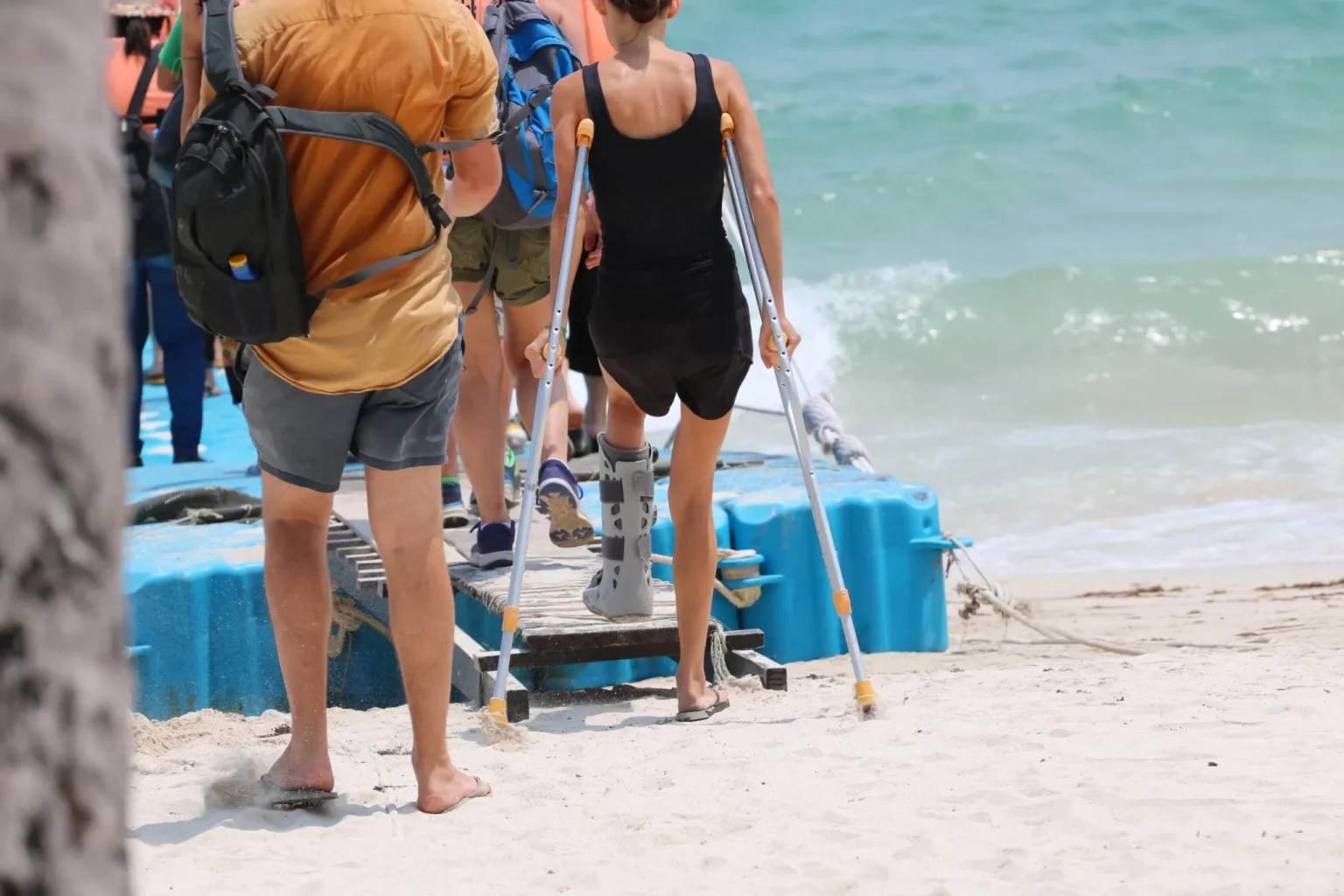
A Comprehensive Legal and Medical Guide for International Travelers
- Immediate Triage: The First 24 Hours After an Injury
- 1. Prioritize Medical Stabilization Over Everything
- 2. Secure the Scene and Evidence
- 3. Report the Incident Officially
- The Financial Safety Net: Navigating Travel Insurance and Medical Evacuation
- The Legal Battlefield: Jurisdiction and Cross Border Litigation
- Common Types of Resort Liability Claims
- 1. Premises Liability (Slips, Trips, and Falls)
- 2. Recreational and Excursion Injuries
- 3. Food Borne Illness and Water Safety
- 4. Criminal Acts and Security Failures
- Finding the Right Representation: The International Injury Lawyer
- Pre Trip Prevention: Mitigating the Risk
- The Road to Recovery: Settlement and Litigation
- Conclusion
The allure of a luxury resort is undeniable. You picture pristine beaches, crystal clear waters, and the absolute peace of mind that comes with an all inclusive package. We spend months planning these escapes, investing thousands of dollars to disconnect from the daily grind. However, the dream vacation can instantly transform into a complex legal and medical nightmare if you suffer a personal injury abroad.
When an accident happens on foreign soil, the rules of the game change entirely. You are no longer protected by the familiar safety nets of your home country’s legal system or immediate access to your primary healthcare network. The stakes are incredibly high. A simple slip by the pool can lead to tens of thousands of dollars in medical evacuation costs, and a negligent act by resort staff can trigger a multi jurisdictional legal battle that lasts for years.
This guide is written for the traveler who needs immediate, actionable, and high level advice. We will dismantle the complexities of international tort litigation, the nuances of travel medical insurance, and the critical steps you must take in the first 24 hours to preserve your potential claim. Whether you are currently dealing with an injury or preparing for a trip, this information is vital for protecting your physical health and your financial future.
Immediate Triage: The First 24 Hours After an Injury
The moments immediately following an accident are chaotic. Pain, adrenaline, and confusion can cloud your judgment. However, the actions you take in this critical window will determine the success of any future personal injury claim or travel insurance reimbursement.
1. Prioritize Medical Stabilization Over Everything
Your health is the paramount asset. Do not attempt to “tough it out” or delay treatment to avoid disrupting the vacation. Adrenaline can mask the severity of fractures, internal bleeding, or concussions.
Seek Professional Care: Go to the resort’s infirmary or the nearest local hospital immediately. Do not rely solely on resort staff for medical advice, as their primary goal may be risk management for the hotel rather than your optimal recovery. If the injury is severe, demand to be taken to a recognized international standard hospital, even if it is further away.
Document the Medical Trail: Every interaction with a healthcare provider creates a record. Request copies of all X rays, MRI scans, intake forms, and discharge papers in English if possible. If they are in a foreign language, do not worry; a certified translator can handle them later, but you must have the raw documents.
2. Secure the Scene and Evidence
In international personal injury cases, physical evidence disappears quickly. Resorts are businesses that operate 24/7, and cleaning crews may sanitize an accident scene within minutes of the incident.
Photographic Evidence: Use your smartphone to take high resolution photos and videos of the exact location where the injury occurred. If you slipped, photograph the floor’s surface, the lack of “wet floor” signage, the lighting conditions, and the footwear you were wearing. If a piece of gym equipment failed, photograph the broken mechanism.
Witness Testimony: Independent witnesses are gold dust in a resort negligence lawsuit. Fellow guests who saw the accident have no allegiance to the resort. Collect their full names, email addresses, and phone numbers immediately. Ask them if they would be willing to write a brief statement about what they saw while the memory is fresh.
3. Report the Incident Officially
You must notify the resort management of the injury, but you must be strategic about how you do it.
File an Incident Report: Insist on filling out a formal accident report with the hotel manager. State the facts clearly: “I slipped on a wet tile that had no warning sign,” rather than “I was clumsy and fell.”
Do Not Sign Liability Waivers: This is the most critical trap. Resort managers may offer you a free upgrade, a complimentary dinner, or a refund for your stay as a “gesture of goodwill.” Often, accepting this compensation requires signing a document. Do not sign anything without reading the fine print. These documents frequently contain clauses that waive your right to sue the resort for damages. If you are pressured, simply state, “I will not sign anything until I have spoken to my legal counsel.”
The Financial Safety Net: Navigating Travel Insurance and Medical Evacuation
If you are injured abroad, your domestic health insurance may be virtually useless. Most domestic policies provide limited or no coverage outside your home country. This is where comprehensive travel insurance becomes the difference between a manageable inconvenience and financial ruin.
Understanding Medical Evacuation Costs
The single most expensive component of an injury abroad is medical evacuation (Medevac). If you are in a remote resort in the Caribbean, Southeast Asia, or Mexico, the local medical facilities may not be equipped to handle complex trauma, spinal injuries, or severe burns.
You may need an air ambulance to transport you to a center of excellence or back to your home country.
- The Cost: An air ambulance from the Caribbean to Miami can cost between $20,000 and $50,000. A long haul medical evacuation from Asia or Europe to the United States can easily exceed $100,000 to $250,000.
- The Payment: These operators generally require upfront payment or a guarantee of coverage from a reputable insurer before they will lift off.
Analyzing Your Policy Limits
When reviewing your travel insurance policy, look for the “Medical Evacuation and Repatriation” limit. A policy with a $10,000 limit is insufficient for international travel. Experts recommend a minimum of $250,000 to $500,000 in evacuation coverage to be safe.
The “Exclusions” Minefield
Insurance companies are businesses, and they protect their bottom line through policy exclusions. You must be aware of these common reasons for claim denial:
- Alcohol Intoxication: If your medical report shows a high blood alcohol content at the time of the accident, the insurer may deny the claim, arguing that your intoxication was the proximate cause of the injury.
- High Risk Activities: Standard policies often exclude “extreme sports.” If you are injured while jet skiing, parasailing, scuba diving, or riding an ATV, you may not be covered unless you purchased a specific “adventure sports” rider.
- Pre existing Conditions: If your injury is related to a condition you had before the trip (e.g., a heart condition leading to a fall), coverage may be denied unless you have a “Pre existing Condition Waiver.”
The Legal Battlefield: Jurisdiction and Cross Border Litigation
Determining where to file a lawsuit is the most complex aspect of international personal injury law. This concept is known as jurisdiction. If you are a resident of the United States injured in Mexico, can you sue the resort in a US court?
The Challenge of “Forum Non Conveniens”
Foreign resorts will almost always try to move the lawsuit to the country where the accident occurred. They argue that the evidence, witnesses, and accident scene are located there. This legal doctrine is called forum non conveniens (an inconvenient forum).
Why does this matter?
- Damages Caps: Many foreign jurisdictions have strict caps on “pain and suffering” damages that are significantly lower than what might be awarded in the US, UK, or Canada.
- Legal Process: The legal systems in some resort destinations can be slow, unpredictable, and prone to local bias.
Anchoring the Lawsuit at Home
A skilled international injury attorney will attempt to anchor the lawsuit in your home country. They do this by establishing a link between the foreign resort and your home jurisdiction.
- Marketing Activities: Did the resort heavily advertise in your home city?
- Booking Channels: Did you book through a domestic travel agent or a website hosted in your country?
- Corporate Ownership: Is the “foreign” resort actually owned by a parent company headquartered in Delaware, London, or Toronto?
If your lawyer can prove that the resort does substantial business in your home country, you may be able to sue them in your local courts, which is generally far more advantageous for the plaintiff.
Common Types of Resort Liability Claims
Understanding the specific nature of your accident helps in categorizing the negligence. Here are the most common scenarios that lead to high value compensation claims.
1. Premises Liability (Slips, Trips, and Falls)
Resorts have a duty of care to maintain safe premises for their guests.
- Wet Surfaces: Polished marble floors in lobbies or near buffets can be lethal when wet. Staff must use non slip mats and warning signs.
- Poor Lighting: Stairwells or pathways that are poorly lit at night are a frequent cause of fractures and head injuries.
- Construction Defects: Uneven paving stones, loose handrails, or non compliant balcony heights are structural failures that constitute negligence.
2. Recreational and Excursion Injuries
Many resorts outsource their excursions (snorkeling, zip lining, ATV tours) to local vendors. However, if the resort sold you the ticket at their concierge desk, branded the activity as their own, or failed to vet the safety record of the vendor, they may be held vicariously liable for your injuries.
- Defective Equipment: Rusted zip lines, malfunctioning scuba regulators, or ATV brakes that fail.
- Inadequate Instruction: Guides who fail to provide safety briefings or proper protective gear.
3. Food Borne Illness and Water Safety
While a minor stomach bug is common, severe food poisoning (Salmonella, E. coli, Norovirus) can lead to hospitalization and long term kidney damage.
- Buffet Hygiene: Food left out at unsafe temperatures for hours.
- Pool Maintenance: Improperly chlorinated pools can spread Cryptosporidium or cause severe chemical burns if the pH balance is mismanaged.
- Drowning and Near Drowning: A lack of certified lifeguards on duty, especially in areas marketed as “family friendly,” is a major liability issue.
4. Criminal Acts and Security Failures
Resorts must provide adequate security. If a guest is assaulted, robbed, or attacked on the property, the resort may be liable for negligent security.
- Access Control: Failure to restrict access to hotel grounds by non guests.
- Lighting and Surveillance: Dark corners and a lack of CCTV cameras can encourage criminal activity.
- Staff Vetting: Failure to conduct background checks on employees who have access to guest rooms.
Finding the Right Representation: The International Injury Lawyer
Do not hire a general practice lawyer or your local family attorney for a complex international tort case. You need a specialist.
What to Look For
- Global Network: A top tier firm will have relationships with local counsel in popular resort destinations (Mexico, Dominican Republic, Jamaica, Thailand, Spain). They need boots on the ground to gather evidence and navigate local procedural rules.
- Financial Resources: International litigation is expensive. Your attorney must have the capital to fund expert witnesses, travel, translation services, and court fees upfront. Most work on a contingency fee basis, meaning they only get paid if you win.
- Track Record: Ask specifically about their experience with “cross border personal injury” or “resort tort litigation.” Ask for case results similar to yours.
Questions to Ask During Your Consultation
- “Have you successfully litigated a case involving an accident in [Country Name]?”
- “Will we be filing suit in the US/UK/Canada or in the foreign jurisdiction?”
- “How do you handle the costs of medical experts and translation?”
- “What is your strategy for overcoming the forum non conveniens defense?”
Pre Trip Prevention: Mitigating the Risk
The best injury claim is the one you never have to file. In 2025, smart travelers are becoming more proactive about vetting their destinations.
Vetting the Resort
Don’t just look at the photos of the infinity pool. Read the one star reviews on travel forums. Search for terms like “food poisoning,” “accident,” “security,” and “hospital.” If you see a pattern of recent complaints, choose a different property.
Checking Travel Advisories
Governments issue travel advisories that are often ignored by tourists. These advisories contain crucial real time data about crime rates, medical infrastructure reliability, and specific dangers in resort areas. Consult the US State Department or your country’s foreign office website before booking.
Documenting Your Health Before You Go
Visit your doctor for a pre travel checkup. Having a clean bill of health on record before you leave makes it much harder for an insurance company to argue that your injury was caused by a pre existing condition.
The Road to Recovery: Settlement and Litigation
If you proceed with a claim, understand that it is a marathon, not a sprint.
The Demand Letter
Your attorney will start by sending a detailed demand letter to the resort and their insurance carrier. This letter outlines the facts of the accident, the extent of your injuries (medical bills, lost wages, pain and suffering), and the legal basis for their liability.
Mediation and Settlement
Most high value personal injury cases are settled out of court. Trials are risky and expensive for both sides. Your attorney will negotiate aggressively to reach a settlement that covers your past and future medical needs.
The Trial
If a fair settlement cannot be reached, the case goes to trial. This is where your evidence gathering in the first 24 hours pays off. Photos, witness statements, and medical records will be the foundation of your argument to the jury or judge.
Conclusion
Getting injured at a resort abroad is a traumatic experience that tests your resilience. It forces you to navigate a labyrinth of foreign laws, insurance policies, and medical systems while you are at your most vulnerable. However, you are not powerless.
By understanding the immediate steps for medical triage, the importance of securing evidence, and the nuances of international legal jurisdiction, you can protect your rights. The key is to act quickly, document everything, and secure specialized legal representation that understands the global landscape of personal injury law.
Do not let a resort’s negligence go unanswered. Your safety and your financial recovery are worth fighting for.