

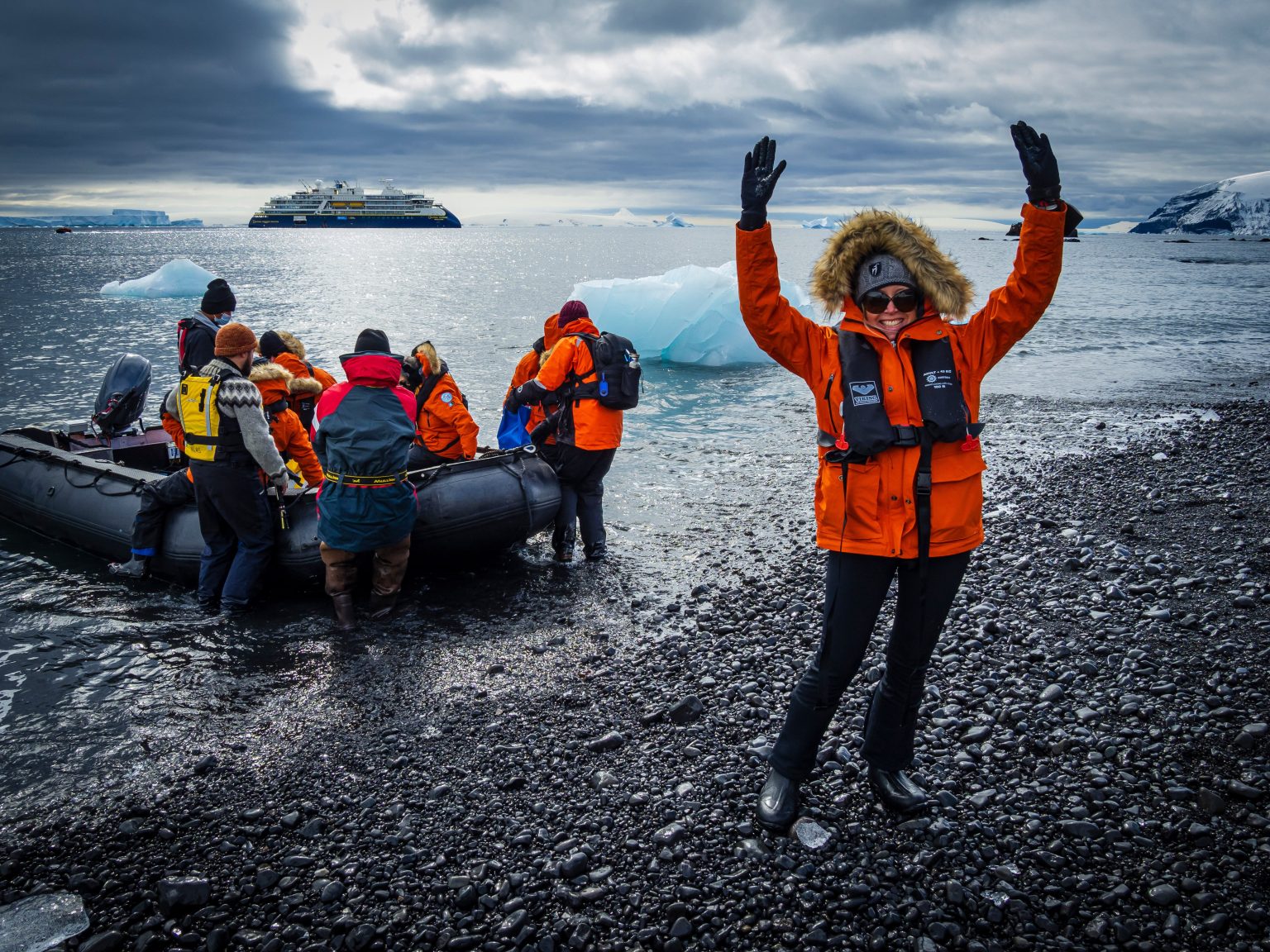
The White Continent remains the final frontier for the modern traveler. It is a destination that demands not just financial investment but a spirit of adventure. As we move deep into the 2025-2026 Antarctic season, the question on every aspiring polar explorer’s mind is not just “how do I get there?” but “how much will it truly cost?” and, more importantly, “what am I paying for?”
- The 2025 Pricing Landscape: A Market Overview
- Expedition Class: The Science of Adventure
- Luxury Class: Butler Service at 60° South
- The “Fly the Drake” Premium
- Essential Add-Ons: Where the Budget Creeps
- LIVE DAILY UPDATE: Antarctica Season Status (December 7, 2025)
- Comparison Table: Luxury vs. Expedition
- The Verdict: Which ROI Matters to You?
Navigating the pricing structures of Antarctic voyages can be as treacherous as the Drake Passage itself. The market has bifurcated into two distinct streams: the rugged, science-first Expedition Class and the opulent, all-inclusive Luxury Class. Understanding the nuance between these two can mean the difference between a $10,000 educational trip and a $45,000 floating palace experience.
This guide delves deep into the financial and experiential realities of booking an Antarctica cruise in 2025. We will strip away the marketing gloss to reveal the actual costs, the hidden fees, and the daily reality of life on the ice.
The 2025 Pricing Landscape: A Market Overview
In December 2025, the demand for polar travel has stabilized, yet prices remain high due to strict environmental regulations and fuel costs. If you are looking to book a cabin right now or planning for the late-season (February/March 2026), you need to understand the baseline numbers.
We are seeing a price floor of approximately $5,500 for last-minute, cruise-only budget berths, rising steeply to over $100,000 for fly-in experiences to the interior. However, the “sweet spot” for most travelers lies between $12,000 and $25,000.
The Three Tiers of Antarctic Pricing
- Budget & “Cruise-Only” ($5,000 – $10,000 USD):These are often older, refurbished research vessels. The lower price point often reflects triple or quadruple share cabins and a lack of included extras like alcohol, gear, or pre-night hotel stays.
- Target Audience: Backpackers, solo travelers willing to share, and those prioritizing “being there” over “being comfortable.”
- Mid-Range Expedition Class ($10,000 – $20,000 USD):The core of the industry. Operators like Quark Expeditions, Aurora Expeditions, and G Adventures dominate here. You pay for smaller ship sizes (crucial for landing rights) and experienced expedition teams.
- Target Audience: Wildlife enthusiasts, photographers, and educational travelers.
- Ultra-Luxury Class ($20,000 – $50,000+ USD):Brands like Silversea, Seabourn, and Ponant have revolutionized polar travel. These ships feature butler service, caviar on demand, and heated bathroom floors. The price includes everything—from charter flights to gratuities.
- Target Audience: Affluent travelers who refuse to compromise on comfort, even at the bottom of the world.
Expedition Class: The Science of Adventure
When you book an Expedition Class voyage, you are paying for access. The primary asset of these cruises is the permit to land. Under IAATO (International Association of Antarctica Tour Operators) regulations, no more than 100 passengers can be ashore at one landing site at a time.
The Hardware
Expedition ships are generally smaller, carrying between 70 and 200 passengers. This is the single most critical factor in your trip value. A ship with 180 passengers can land everyone in two brief rotations or one long split shift. A ship with 500 passengers (often found in the “Luxury” crossover category) means you might only get on land once a day, or not at all at certain strict sites.
In the expedition tier, the ship is a tool. Cabins are functional. You will likely have a “mudroom”—a locker area where you store your wet gear—rather than a spa. The lecture theater is the social hub, where marine biologists and glaciologists prepare you for the next day’s landing.
Cost Breakdown for Expedition Class
- Base Fare: $11,000 (average for a 10-12 day peninsula trip).
- Mandatory Insurance: $200 – $500 (Medical evacuation coverage is non-negotiable).
- Gear Rental: Sometimes included, but often an extra $150 for boots/pants.
- Excursions: Zodiac cruising is included. Kayaking is almost always an extra surcharge, ranging from $600 to $1,000 for the voyage.
Pros:
- Maximum time on shore.
- Educational focus with active scientific research often happening on board.
- Casual atmosphere; no dress codes for dinner.
Cons:
- Rougher ride in the Drake Passage (smaller ships feel the swell more).
- Basic amenities; food is hearty but not Michelin-star level.
Luxury Class: Butler Service at 60° South
The Luxury Class has surged in popularity for the 2025 season. These vessels are essentially boutique hotels with ice-strengthened hulls. The philosophy here is that the harshness of the environment should not dictate the harshness of your onboard experience.
The Hardware
We are talking about all-suite ships. Every cabin has a balcony (though standing on it while crossing the Drake is an adventure in itself). The staff-to-guest ratio is often 1:1. These ships feature multiple restaurants, expansive spas, and lounges with panoramic glass walls.
The All-Inclusive Value Proposition
While the sticker price is shocking, the value proposition relies on inclusions. A $25,000 ticket on a luxury vessel usually covers:
- Round-trip charter flights from Santiago or Buenos Aires to Ushuaia.
- Pre-cruise luxury hotel nights.
- Unlimited premium alcohol and dining.
- All gratuities (which can add up to $15-$20 per day on other lines).
- High-speed Starlink Wi-Fi (a massive value add in 2025).
Cost Breakdown for Luxury Class
- Base Fare: $22,000+ per person.
- Kayaking/Submersibles: Often included, though submersibles (on ships like the Scenic Eclipse) may carry a heavy premium.
- Spa Treatments: $200+ per hour.
Pros:
- Extreme comfort; a warm sanctuary after a freezing zodiac ride.
- Stabilizers: Modern luxury ships handle rough seas significantly better.
- Gourmet cuisine and high-end service.
Cons:
- “The Bubble Effect”: You might feel too removed from the environment.
- Formal atmosphere: Some travelers find the dress codes or white-glove service incongruous with an expedition.
The “Fly the Drake” Premium
A trending keyword and a major decision point for 2025 is the “Fly-Cruise” option. Crossing the Drake Passage takes two days each way and can be incredibly rough. Companies like Antarctica21 and Silversea offer itineraries where you fly from Punta Arenas, Chile, directly to King George Island in Antarctica, skipping the sea crossing.
The Cost of Time:
Flying the Drake saves you 4 days of travel but costs roughly 20% to 30% more per day on the ice.
- Standard 10-day cruise: $12,000 ($1,200/day).
- 8-day Fly-Cruise: $16,000 ($2,000/day).
Is it worth it? If you suffer from severe motion sickness or are time-poor, yes. For many, however, the Drake Passage is a rite of passage that builds anticipation.
Essential Add-Ons: Where the Budget Creeps
When calculating your “Cost Per Click” of the “Book Now” button, do not forget the ancillary costs. These are the hidden factors that catch travelers off guard.
- Specialized Polar Gear:While a parka is often gifted by the operator, you need base layers, mid-layers, and waterproof pants. High-quality merino wool and Gore-Tex gear will set you back $500 – $1,000 if bought new.
- Travel Insurance with Evacuation:This is critical. You are leaving civilization. A medical evacuation from Antarctica can cost upwards of $100,000. Comprehensive policies that cover trip cancellation (crucial for fickle Antarctic weather) and remote evacuation will cost $300 – $800 depending on your age and coverage limits. Never skimp on this.
- Optional Adventure Activities:
- Kayaking: $900 approx.
- Camping on the Ice: $300 – $500 per night.
- Stand-up Paddleboarding: $200 – $400.These must be booked months in advance as spots are extremely limited.
LIVE DAILY UPDATE: Antarctica Season Status (December 7, 2025)
As we look at the live situation on the ground (and water) for this week, several key developments are impacting travel and logistics.
1. Scientific & Logistics Movements:
Just days ago, arguably the most advanced icebreaker in the Southern Hemisphere, Australia’s RSV Nuyina, departed Hobart for its second voyage of the season (V2). It is currently en route to resupply Casey research station before heading to Heard Island. For tourists, the movement of these massive state assets often signals the “opening” of deeper ice channels, as they break paths that smaller expedition vessels may skirt near.
- Source: Australian Antarctic Division, Dec 2, 2025.
2. Political & Environmental Oversight:
Argentina officially launched its 2025/2026 Summer Antarctic Campaign this week. High-ranking officials, including the Defense Minister, oversaw the departure of the icebreaker Almirante Irizar. This highlights the intense activity in the region. For travelers, this increased naval presence ensures better search-and-rescue capabilities in the sector, adding a layer of safety to the 2025 season.
- Source: Noticias Ambientales, Dec 6, 2025.
3. Wildlife Health Watch:
A critical note for wildlife lovers: Authorities are closely monitoring H5N1 (Bird Flu). While tourism continues, biosecurity measures are at an all-time high. You will be required to scrub your boots diligently before and after every landing. Elephant seals at South Georgia tested positive earlier in the season (October), and monitoring is active now in December. This may result in some landing sites being closed on short notice to protect the colonies. Flexibility is the keyword for December 2025.
- Source: Australian Antarctic Division / IAATO protocols.
Comparison Table: Luxury vs. Expedition
| Feature | Expedition Class | Luxury Class |
| Price Range | $10,000 – $18,000 | $22,000 – $45,000+ |
| Passenger Count | 70 – 199 | 200 – 500 (check carefully!) |
| Vibe | Rugged, Educational, Casual | Elegant, Service-Oriented, Formal |
| Inclusions | Meals, Zodiacs, Lectures | Alcohol, Gratuities, Flights, Parkas |
| Cabins | Portholes/Windows, Compact | Balconies, Suites, Walk-in Closets |
| Boot Room | Functional, smells like wet gear | Heated lockers, coffee station |
| Best For | Wildlife purists, photographers | Comfort seekers, “Bucket Listers” |
The Verdict: Which ROI Matters to You?
Deciding between Luxury and Expedition class comes down to your personal “Return on Investment.”
If your ROI is measured in penguin encounters, mud on your boots, and scientific knowledge, save the $10,000 difference and book a small-ship Expedition voyage. Use the savings to buy the best camera lens you can afford and a top-tier travel insurance policy.
If your ROI is measured in comfort, exclusivity, and a seamless travel experience where you never touch your luggage from your front door to the ship’s suite, the Luxury class is the only way to go. The harshness of Antarctica is best viewed through floor-to-ceiling glass with a glass of champagne in hand for this demographic.
Final Tip for 2025:
The “Shoulder Season” (November and March) offers prices up to 25% lower than the December/January peak. However, if you want to see baby penguins, you must pay the peak season premium. December is the sweet spot—the chicks are hatching, the days are endless, and the ice is still dramatic.
Antarctica is not a vacation; it is an investment in a life memory. Choose the vessel that protects that investment best for your style of travel.
References & Further Reading:
- Australian Antarctic Division. (2025). “Australian Antarctic Program resupplies station, returns to Heard Island on V2.” [Link to AAD News]
- Noticias Ambientales. (2025). “Argentina launches the 2025/2026 Antarctic Summer Campaign.” [Link to Press Release]
- IAATO (International Association of Antarctica Tour Operators). “2025-2026 Tourism Statistics and Regulations.”
- Lindblad Expeditions / National Geographic. “Antarctica Cruise Cost Analysis 2025.”
Disclaimer: Prices mentioned are estimates based on December 2025 market data and are subject to change. Always verify inclusions with your specific operator.