

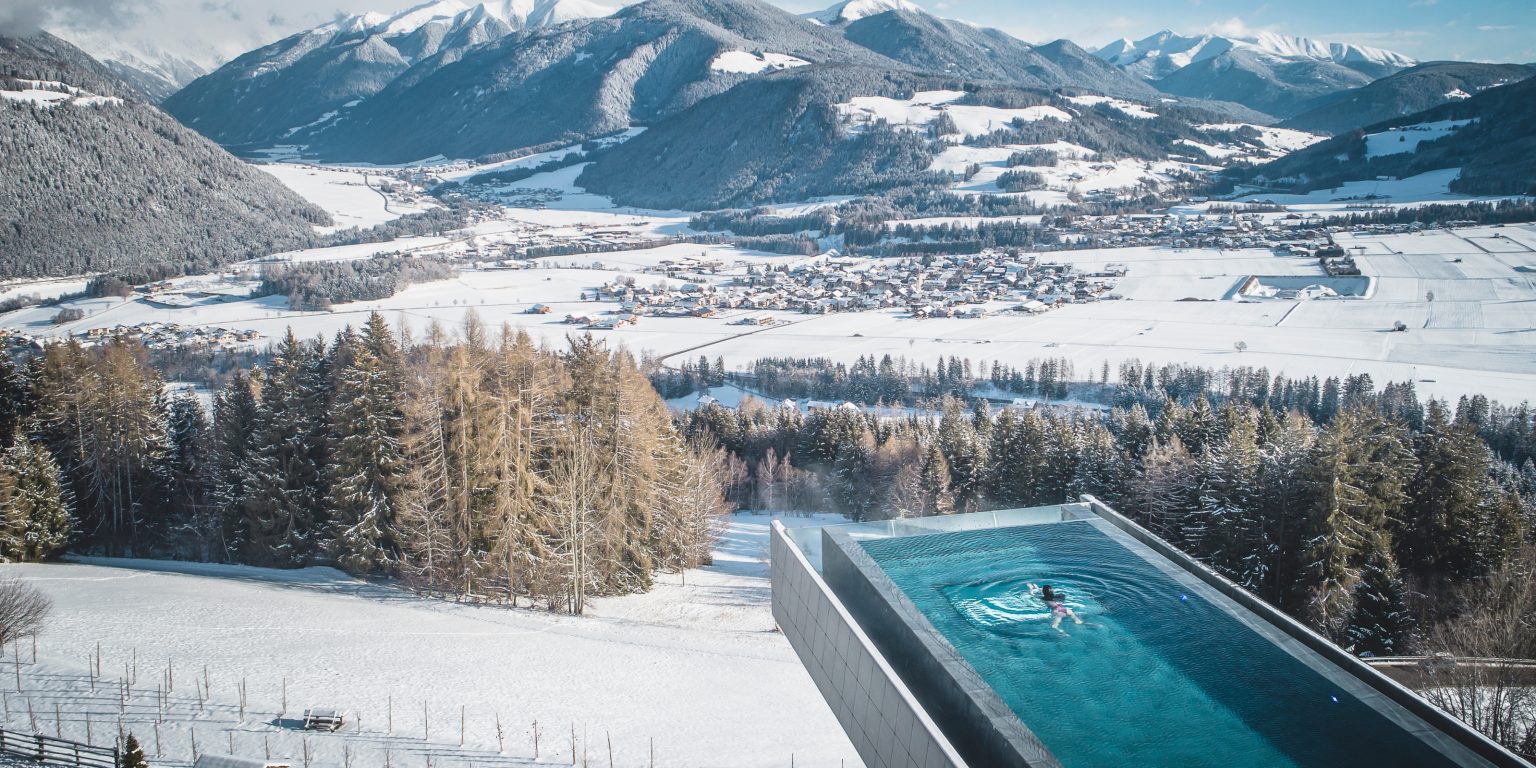
The mercury is rising. As heat domes settle over Southern Europe and humidity blankets the Caribbean, a sophisticated shift is occurring in the global travel landscape. The savvy traveler is no longer chasing the sun; they are chasing the chill. Welcome to the era of “Coolcationing.” This is not merely a fleeting trend but a fundamental pivot in how we approach summer leisure. It is about trading sweltering beaches for crisp alpine air, crowded piazzas for silent fjords, and humidity for the refreshing embrace of the Arctic Circle.
- The Rise of the Coolcation: Why 2025 is the Year of the Chill
- Destination 1: Iceland – The Geothermal Sanctuary
- Destination 2: Norway – The Fjordland Majesty
- Svalbard: The High Arctic Frontier
- The Lofoten Islands: Alpine Peaks Rising from the Sea
- Flight Connections and Planning
- Destination 3: The Swiss Alps – Summer Skiing and Wellness
- Destination 4: Alaska – The Last Frontier
- Destination 5: The Canadian Rockies – Banff and Lake Louise
- Planning Your Itinerary: A Sample 10-Day Coolcation
- The Financial Logistics of Luxury Coolcationing
- Wellness and the Cool Climate
- Sustainable Travel in Fragile Ecosystems
- Packing for the Chill: The 2025 Edit
- Conclusion: Embrace the Cold
- Frequently Asked Questions
In this comprehensive guide, we will explore the premier destinations for your 2025 coolcation, dissecting the finest luxury accommodations, exclusive experiences, and the critical logistics required to execute a flawless high-latitude journey.
The Rise of the Coolcation: Why 2025 is the Year of the Chill
Travel patterns are evolving rapidly. Data from major booking platforms indicates a surge in searches for “cold weather summer destinations” and “Scandinavian luxury travel.” The driver is twofold: climate comfort and a desire for wellness. High temperatures are increasingly viewed as a health risk and a barrier to relaxation. Conversely, cooler climates encourage physical activity, improve sleep quality, and offer a mental clarity that is difficult to achieve in 35°C heat.
For the discerning traveler, this shift opens up a world of exclusive opportunities. We are talking about private yacht charters in Norway, helicopter-accessed lodges in the Canadian Rockies, and wellness retreats in the Swiss Alps that rival any tropical spa. This is where luxury meets longevity.
Destination 1: Iceland – The Geothermal Sanctuary
Iceland remains the crown jewel of coolcationing. However, the 2025 traveler is moving beyond the Golden Circle tour buses to find deep seclusion and high-end indulgence. The island offers a unique proposition: the ability to be cold outside but warm inside, thanks to its abundant geothermal energy.
Where to Stay: Unrivaled Luxury
The Retreat at Blue Lagoon
Forget the public pools. The Retreat offers an exclusive sanctuary carved directly into the 800-year-old lava fields. Guests have access to a private section of the lagoon, ensuring absolute privacy. The Moss Suites feature floor-to-ceiling windows that blur the line between the volcanic horizon and your living space. The onsite Michelin-recommended Moss Restaurant serves reindeer and arctic char, sourcing ingredients from within a few kilometers.
The Reykjavik EDITION
For those who prefer an urban base, The Reykjavik EDITION has redefined luxury in the capital. Located next to the Harpa Concert Hall, it offers a sophisticated launchpad for your adventures. The roof terrace provides a prime vantage point for the midnight sun, a phenomenon that defines the Icelandic summer.
Exclusive Experiences
Private Super Jeep Tours to Thorsmork
Accessing the Highlands requires serious hardware. Booking a private Super Jeep tour allows you to cross unbridged glacial rivers and reach the Valley of Thor (Thorsmork) in comfort. This nature reserve is a labyrinth of green valleys and black volcanic ridges, offering some of the cleanest air on the planet.
Helicopter Volcano Landings
To truly grasp the scale of the island, you must see it from above. Private helicopter charters can land you on dormant craters or young lava fields that are otherwise inaccessible. This is a bucket-list experience that commands a premium but delivers unmatched memories.
Logistics and Insurance Considerations
Iceland is wild. Weather conditions can change in minutes, even in July. When booking such high-value trips involving helicopters and remote trekking, ensuring you have comprehensive travel insurance is non-negotiable. You need a policy that covers medical evacuation and trip interruption due to weather events. The cost of medical transport in remote Iceland can be significant, so verify that your coverage limits are high.
Destination 2: Norway – The Fjordland Majesty
If Iceland is raw power, Norway is refined elegance. The Norwegian coastline offers a distinct coolcation experience centered around water, wildlife, and wellness.
Svalbard: The High Arctic Frontier
Located halfway between mainland Norway and the North Pole, Svalbard is the ultimate escape. Summer here means 24 hours of daylight.
The Experience:
This is the realm of the polar bear. High-end expedition cruises are the standard here. These small ships offer 5-star amenities, including gourmet dining and lecture halls, while navigating the ice edge. Unlike the massive liners, these vessels can enter small coves and deploy zodiacs for intimate wildlife encounters.
Luxury Basecamp:
Funken Lodge in Longyearbyen offers a surprising level of comfort at 78 degrees north. With its champagne cellar and exceptional service, it is a civilized outpost in the wild.
The Lofoten Islands: Alpine Peaks Rising from the Sea
For a blend of maritime culture and dramatic scenery, Lofoten is unmatched.
Hattvika Lodge
Located in a restored fishing village, these luxury cabins (rorbu) offer high-end design with direct sea access. You can wake up, step onto your deck, and breathe in the salty, cool air.
Private Fjord Cruises
Chartering a private yacht in Lofoten allows you to explore the Trollfjord in silence. Electric catamarans are becoming popular here, aligning with the sustainable travel ethos while offering a noise-free experience that doesn’t disturb the marine life.
Flight Connections and Planning
Reaching these remote outposts requires precise planning. Most travelers fly into Oslo (OSL) before connecting to Tromsø or Longyearbyen. Business class availability on domestic Scandinavian flights can be limited, so booking months in advance is essential.
Destination 3: The Swiss Alps – Summer Skiing and Wellness
Switzerland is the original coolcation destination. Long before air conditioning, European aristocracy flocked to the Alps to escape the summer heat. Today, it remains the gold standard for mountain luxury.
Zermatt: majestic seclusion
Zermatt is car-free, ensuring the air remains pristine. The village sits in the shadow of the Matterhorn, a view that never fatigues.
Summer Skiing:
Zermatt offers 365 days of skiing on the Theodul Glacier. You can ski at 3,800 meters in the morning and play golf in the valley in the afternoon. This dual lifestyle is a unique feature of the high Alps.
Where to Stay:
The Omnia
Perched on a rock ledge above the town, The Omnia is a fusion of American lodge concepts and European modernism. Its indoor/outdoor pool offers views of the Matterhorn that are worth the room rate alone.
Grand Hotel Zermatterhof
For traditional luxury, the Zermatterhof is the grande dame of the village. A horse-drawn carriage collects you from the station, setting the tone for a stay defined by impeccable service and old-world charm.
St. Moritz: The Pinnacle of Glamour
St. Moritz is where the jet set winters, but its summer persona is equally compelling and far more relaxed.
Badrutt’s Palace Hotel
A landmark of luxury hospitality. In summer, the hotel offers unrivaled access to the Upper Engadine lakes. The cool mountain breeze here, known as the Maloja Wind, makes it a haven for sailing and kitesurfing enthusiasts who prefer wetsuits to board shorts.
The Glacier Express Excellence Class
Connecting Zermatt and St. Moritz, the Glacier Express is the world’s slowest express train. The Excellence Class offers guaranteed window seats, a seven-course menu, and a dedicated concierge. It is arguably the most relaxing way to traverse the Alps.
Travel Insurance Focus
Activities in Switzerland often involve high altitudes. Whether you are hiking or summer skiing, ensure your medical travel insurance covers sports injuries and high-altitude rescue. Standard policies often exclude activities above 2,000 meters.
Destination 4: Alaska – The Last Frontier
For North American travelers, Alaska offers a domestic coolcation that feels like a foreign world. The scale of the landscape here is humbling.
Small Ship Luxury Cruises
The best way to see the Inside Passage is by water, but the smart money is on small expedition vessels, not the floating cities. Lines like UnCruise Adventures or Lindblad Expeditions focus on getting you off the boat and into the wild.
What to Expect:
Kayaking among icebergs in Glacier Bay, spotting humpback whales bubble-net feeding, and hiking through temperate rainforests. The temperature in Southeast Alaska in July hovers around a comfortable 15°C to 18°C.
Denali National Park
Inland, the temperatures can be warmer, but the air remains crisp.
Sheldon Chalet
For the ultimate exclusive experience, Sheldon Chalet is located on a nunatak (a rock cropping) in the middle of the Don Sheldon Amphitheater of the Ruth Glacier. Accessible only by helicopter, it offers a level of isolation and luxury that is virtually impossible to find elsewhere. At night, you are surrounded by nothing but silence and peaks.
Packing for Alaska
The key to comfort in Alaska is layers. High-quality merino wool base layers, a down mid-layer, and a waterproof shell (Gore-Tex) are essential. Investing in premium gear ensures that the cool weather remains invigorating rather than chilling.
Destination 5: The Canadian Rockies – Banff and Lake Louise
Canada’s oldest national park offers turquoise lakes, jagged peaks, and grand railway hotels that harken back to the golden age of travel.
Fairmont Chateau Lake Louise
Located right on the shore of the emerald lake, this hotel is iconic. In summer, the lake is thawed but the water remains glacier-cold, keeping the surrounding air refreshing.
Activities:
Canoeing on Lake Louise is a rite of passage. For hikings, the Plain of Six Glaciers Tea House hike rewards you with stunning views and a rustic tea house experience at the top.
Rocky Mountaineer
This luxury train journey between Vancouver and Banff is a bucket-list item. The GoldLeaf Service features a bi-level glass-domed coach and gourmet meals prepared onboard. It is a seamless way to transition from the coastal cool of Vancouver to the mountain chill of the Rockies.
Planning Your Itinerary: A Sample 10-Day Coolcation
To visualize how this comes together, here is a blueprint for a high-end Scandinavian coolcation combining Norway and Iceland.
- Day 1: Business Class arrival in Oslo. Overnight at the Hotel Continental.
- Day 2: Flight to Longyearbyen, Svalbard. Check into Funken Lodge.
- Day 3: Private fjord cruise to Pyramiden, an abandoned Soviet mining town.
- Day 4: Dog sledding on wheels or glacier hiking. Midnight sun dinner.
- Day 5: Fly to Reykjavik, Iceland (via Oslo). Transfer to The Retreat at Blue Lagoon.
- Day 6: Decompression day in the private lagoon and spa.
- Day 7: Private helicopter tour of the Fagradalsfjall volcano area.
- Day 8: Super Jeep tour of the Golden Circle, avoiding peak hours.
- Day 9: Explore Reykjavik’s culinary scene. Tasting menu at Dill.
- Day 10: Departure.
The Financial Logistics of Luxury Coolcationing
Executing a trip of this magnitude requires financial foresight. We are looking at premium economy or business class fares, which have seen price stability but high demand for the summer 2025 season.
Maximizing Value
While these are high-ticket items, value can be found in booking shoulder season dates (late August/early September) when the weather is still mild but the peak crowds have dispersed. Additionally, using premium travel credit cards can offer significant benefits, such as lounge access, trip delay reimbursement, and no foreign transaction fees.
The Importance of Comprehensive Coverage
We cannot stress enough the importance of high-tier travel insurance. When you are booking non-refundable luxury lodges and private charters, the financial risk of a last-minute cancellation due to illness or family emergency is high. Look for “Cancel For Any Reason” (CFAR) upgrades on your policy. This gives you the flexibility to back out if global conditions change or personal issues arise, securing up to 75% of your prepaid costs. It is a small price to pay for protecting a five-figure investment.
Wellness and the Cool Climate
One of the underappreciated aspects of coolcationing is the wellness benefit. Cooler temperatures have been linked to better sleep and higher calorie burn during exercise.
Sleep Tourism
Many of the hotels mentioned, like The Retreat in Iceland or the Alpina Gstaad in Switzerland, are capitalizing on this with “sleep concierge” services. The combination of heavy duvets, crisp cool air from an open window, and total silence creates an environment for deep restorative rest that is hard to replicate in a tropical resort.
Active Recovery
Cold plunging is a major wellness trend. In these destinations, nature provides the cold plunge. Dipping into a Norwegian fjord or a Swiss mountain lake offers natural cryotherapy that reduces inflammation and boosts endorphins.
Sustainable Travel in Fragile Ecosystems
Coolcation destinations are often in ecologically sensitive areas. The Arctic and alpine environments are on the front lines of climate change.
Responsible Luxury
Choose operators that prioritize sustainability. In Svalbard, strict regulations protect wildlife; adhering to these is part of the luxury of access. Electric snowmobiles and hybrid cruise ships are becoming more common. Supporting these technologies drives the industry forward.
Leaving No Trace
The ethos of these trips is preservation. Whether you are hiking in Banff or cruising Alaska, the goal is to leave the landscape exactly as you found it. This respect for nature enhances the experience, creating a deeper connection between the traveler and the terrain.
Packing for the Chill: The 2025 Edit
Your tropical wardrobe will not serve you here. The aesthetic is “quiet luxury” meets technical performance.
- Outerwear: A waterproof, windproof shell is the most important item. Brands like Arc’teryx or 66 North offer stylish options that perform in severe weather.
- Mid-layers: Cashmere sweaters for dinner, technical fleece for the trail.
- Footwear: Waterproof hiking boots are a must. For the hotel, insulated slippers or sophisticated loafers.
- Accessories: High-quality sunglasses are crucial; the glare from glaciers and water can be intense. Don’t forget a beanie and light gloves, even in July.
Conclusion: Embrace the Cold
The summer of 2025 is the time to rethink your vacation strategy. The world is getting hotter, but there are still places where the air is fresh, the crowds are thin, and the landscapes are breathtakingly dramatic. Coolcationing is more than escaping the heat; it is about embracing a different kind of beauty. It is the silence of a snow-covered peak, the midnight sun reflecting off a fjord, and the comfort of a roaring fire in July.
By planning carefully, investing in the right gear, and protecting your journey with robust travel insurance, you can ensure that your escape to the north is not just a trip, but a transformative experience. The mountains are calling, and for once, you won’t need the air conditioning.
Frequently Asked Questions
What are the best months for coolcationing?
June through August are the prime months. You get the benefits of the “midnight sun” in Nordic countries and accessible hiking trails in the Alps and Rockies. September offers fall foliage and Northern Lights potential but brings cooler temperatures.
Do I need a visa for these destinations?
For US and UK citizens, travel to Iceland, Norway, and Switzerland generally does not require a visa for short stays, but the ETIAS system is expected to be implemented for Europe soon. Always check the latest entry requirements for your specific nationality before booking flights.
Is travel insurance really necessary for safe countries?
Absolutely. While these countries are safe from a security standpoint, the cost of medical care and logistical disruption in remote areas is high. If you twist an ankle on a glacier or your flight to Svalbard is cancelled due to fog, travel insurance is your financial safety net.
How far in advance should I book?
For luxury properties and exclusive tours in Iceland and Norway, booking 6 to 9 months in advance is recommended. These boutique hotels have limited inventory and high demand for the short summer season.
Can I see the Northern Lights in summer?
Generally, no. The midnight sun makes the sky too bright. However, if you travel in late August or September to Northern Norway or Iceland, the nights begin to darken enough for aurora viewing.
What is the budget for a luxury coolcation?
A high-end 10-day trip to Iceland or Norway, including private tours and 5-star accommodation, can range from $10,000 to $20,000+ per person. Value can be found, but the remote logistics drive up costs.
Source Links:
Visit Iceland Official Tourism
Visit Norway – Svalbard
MySwitzerland – Summer
Travel Alaska Official Site
Banff & Lake Louise Tourism
Would you like me to help you draft a specific itinerary for one of these destinations or look up flight prices for a potential trip?