

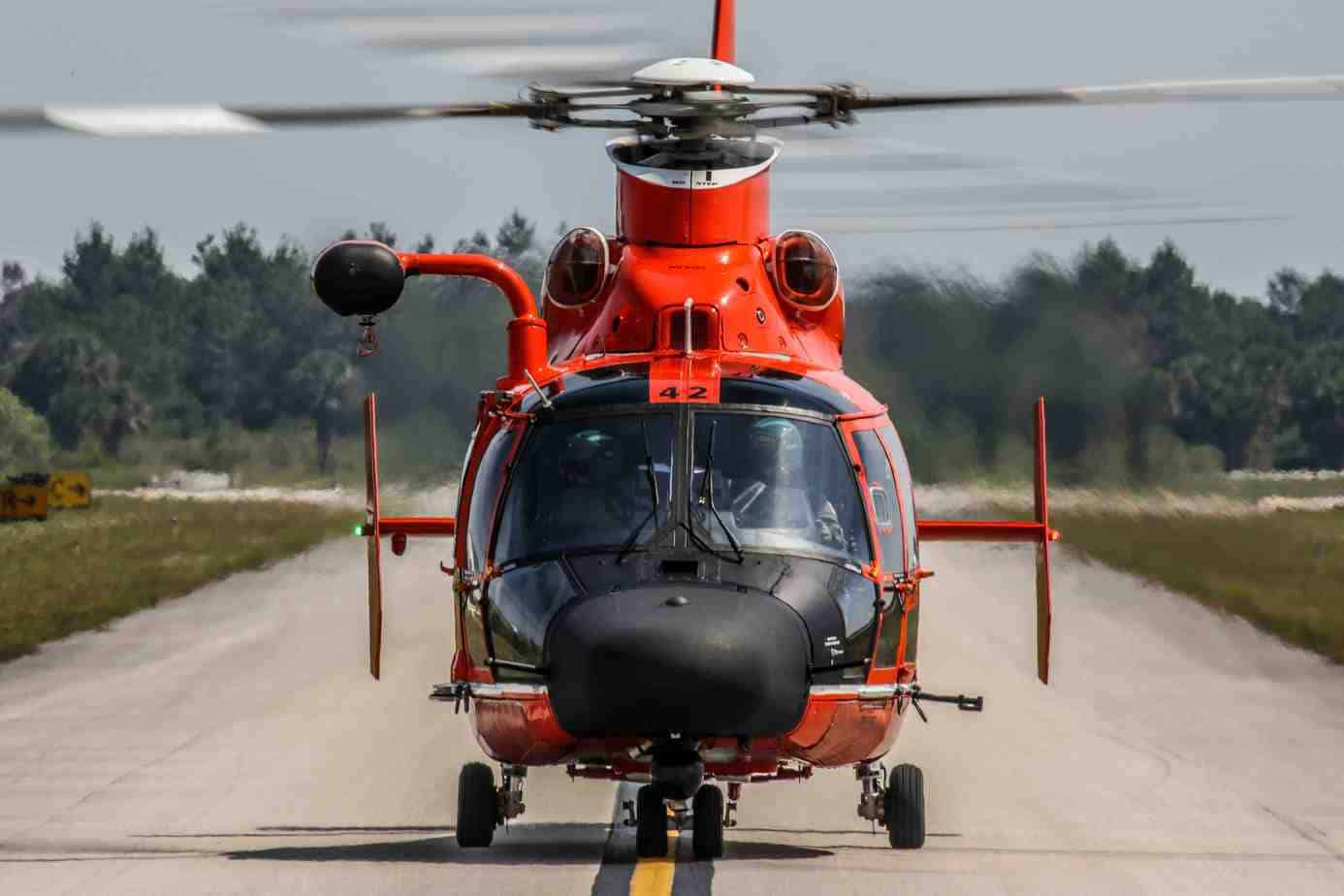
The allure of the unknown has never been stronger. As we move deeper into late 2025, the travel industry is witnessing a seismic shift. Travelers are no longer content with the poolside loungers of the past decade. The trend of “Last Chance Tourism” is driving explorers to the fringes of the map to witness receding glaciers, endangered reefs, and pristine wilderness before they change forever. But as our ambitions for adventure grow, so do the risks.
- The New Era of Remote Travel Risks
- Understanding the Financial Stakes: The Cost of Air Ambulances
- Medical Evacuation vs. Medical Insurance: Knowing the Difference
- The “Nearest Appropriate Facility” Trap
- Trending Destinations and Their Specific Risks
- Evaluating the Top Providers in 2025
- Essential Policy Features for the Remote Expedition
- The Role of Technology in Modern Evacuations
- Practical Steps: How to Trigger an Evacuation
- Daily Context: The Global Humanitarian Aspect
- Real World Scenarios: Why Cash Is Not Enough
- Digital Nomads and Long Term Protection
- Final Checklist Before You Board
- Conclusion: The Ultimate Investment in Yourself
- Additional Resources and Source Links
If you are planning a trek through the Karakoram, a diving trip to the Raj Ampat archipelago, or an overland expedition through the Namib Desert, there is one critical component of your gear list that weighs nothing but carries the heaviest importance: Medical Evacuation Insurance.
This is not just about having a policy. It is about understanding the logistics of life and death when you are three days from the nearest paved road. This comprehensive guide will dissect the necessity of specialized evacuation coverage, the terrifying economics of air ambulances, and the specific policy language you must look for to ensure your safety in 2025.
The New Era of Remote Travel Risks
The landscape of adventure travel has evolved. Post pandemic travel surges have stabilized, but the “adventure” sector is booming. With this boom comes a statistical inevitability: more people in remote places means more accidents in places where help is hard to find.
We are seeing a rise in what industry experts call “Coolcationing.” Travelers are fleeing the heatwaves of traditional summer destinations for the Arctic, the Antarctic, and high altitude mountain ranges. These environments are hostile. They require specialized gear, specialized knowledge, and specialized rescue assets.
When you step off the beaten path, the safety net of urban infrastructure disappears. In a city, a broken leg is an inconvenience and a taxi ride to the ER. On a remote expedition, a broken leg is a complex logistical nightmare involving satellite communications, weather windows, helicopter availability, and massive upfront costs.
Understanding the Financial Stakes: The Cost of Air Ambulances
Let us speak plainly about money. The primary reason standard travel insurance fails remote explorers is the cap on medical evacuation.
In 2025, the cost of operating specialized medical aircraft has skyrocketed due to fuel prices and the scarcity of qualified flight medical staff.
The Breakdown of Rescue Costs
- Helicopter Rescue from Remote Terrain: A rotary wing extraction from a mountainside in Nepal or the Andes can cost between $20,000 and $40,000 USD just to get you to a local clinic.
- Fixed Wing Air Ambulance Repatriation: This is the big one. If you sustain a critical injury like a spinal fracture or a severe tropical disease that local hospitals cannot treat, you need a “hospital in the sky.” A Learjet outfitted as an ICU, flown by two pilots and staffed by a doctor and nurse, flying you from a place like Botswana back to the United States or Europe, can easily cost between $150,000 and $250,000 USD.
- Ground Support and Logistics: These missions require ground ambulances, landing permits (which can cost thousands in expedited fees), and satellite coordination.
Without specialized medical evacuation insurance, these costs are often demanded upfront. Most hospitals in remote regions will not discharge a patient to an aircraft without a guarantee of payment, and most air ambulance providers will not turn on the engines until they see a credit card hold or a verified insurance policy.
Medical Evacuation vs. Medical Insurance: Knowing the Difference
A common fatal error travelers make is assuming their “Health Insurance” or “Travel Medical Insurance” covers evacuation. These are often distinct benefits.
Travel Medical Insurance pays for the hospital bill, the surgery, the x rays, and the medication once you are at the hospital.
Medical Evacuation Insurance pays for the logistics of getting you to the hospital, and more importantly, getting you from a substandard local facility to a Center of Excellence capable of treating your specific condition.
For the remote expeditioner, the gap between “nearest facility” and “home hospital” is the most critical clause in any contract.
The “Nearest Appropriate Facility” Trap
Standard travel credit cards and generic insurance policies almost always use the phrase “Nearest Appropriate Facility.”
Here is the scenario: You suffer a compound fracture while hiking in a remote part of Laos. You have a policy with a $100,000 evacuation limit. The insurance company’s medical director determines that the hospital in the capital city, Vientiane, is “appropriate” because it has an orthopedic surgeon.
You are flown there. The hospital is crowded, the language barrier is immense, and the standard of care is different from what you are used to at home. You want to go back to your specialist in London or New York.
Under a “Nearest Appropriate Facility” clause, the insurance company has fulfilled its obligation. They took you to the nearest hospital. The cost to get you home? That is now your problem.
The Solution: “Hospital of Choice” Coverage
Top tier medical evacuation providers offer “Hospital of Choice” coverage. This means that once you are stabilized, they will transport you to the hospital you choose, usually near your home, so you can recover near your support network. For expeditions in 2025, this clause is non negotiable.
Trending Destinations and Their Specific Risks
To understand why you need this coverage, we must look at where people are going right now.
1. The Antarctic Peninsula
Antarctic tourism is hitting record highs. The risk here is extreme remoteness. There are no hospitals on the continent. A medical emergency requires a ship diversion or a weather dependent flight to King George Island, followed by a medical flight to Chile. Weather can ground flights for days. A simple appendicitis can become fatal if the weather closes in.
2. The High Himalayas
Trekking in Nepal remains a top draw. However, altitude sickness (HAPE and HACE) strikes indiscriminately. Helicopter rescues here are a cottage industry, but fraud has led to tighter regulations. Insurance companies now require rigorous verification before authorizing a lift. If your paperwork is not in order, you do not fly.
3. The Pacific Islands
Divers heading to remote atolls in Micronesia or Polynesia face the risk of Decompression Sickness (DCS). The nearest hyperbaric chamber might be three countries away. Low level medical flights are required to avoid pressure changes, increasing the cost and complexity of the evacuation.
Evaluating the Top Providers in 2025
The market for high risk travel insurance has matured. Several key players dominate the space, each with specific strengths for the remote traveler.
Global Rescue
Often cited as the gold standard for hard core expeditions. They are not an insurance company; they are a membership organization. This distinction is crucial. It means they do not have the same “claim denial” incentives as traditional insurers. They specialize in “field rescue,” meaning they will come get you from the point of injury, not just transfer you hospital to hospital. For mountaineers and backcountry hunters, this is the benchmark.
World Nomads
A favorite among the backpacker and digital nomad community. Their “Explorer” plan covers a vast array of adventure sports that other policies exclude. They are excellent for the generalist adventure traveler who might decide to go bungee jumping or scuba diving on a whim.
Medjet
Medjet focuses purely on the transport aspect. They are famous for their “no questions asked” transport philosophy. If you are hospitalized 150 miles from home, they will move you to your home hospital. They are an excellent add on if you already have good medical insurance but lack the evacuation component.
Allianz Global Assistance
A massive player offering stability and vast global networks. Their “AllTrips” premier plans are excellent for frequent travelers who want an annual policy that covers evacuation, though they may be more conservative on “field rescue” compared to Global Rescue.
Essential Policy Features for the Remote Expedition
When you are reading the fine print of a potential policy, use this checklist to ensure you are covered for high CPC (Cost Potential Crisis) events.
1. High Altitude Endorsement
Many standard policies exclude trekking above 3,000 meters (9,800 feet). If you are going to Everest Base Camp or Kilimanjaro, you must ensure your policy specifically covers trekking up to 6,000 meters or more.
2. Adventure Sports Inclusions
Check the exclusions list carefully. Technical climbing, ice climbing, white water rafting (Grade IV and V), and backcountry skiing are often excluded. You usually need to buy a “hazardous sports” rider or upgrade to a premium tier.
3. Search and Rescue (SAR) Benefits
Evacuation insurance typically kicks in after you are found. But who pays for the helicopter to find you? Search and Rescue costs can be billed separately by local authorities. Look for a policy that includes a specific benefit for SAR expenses, often capped at $10,000 or $50,000.
4. 24/7 Global Operations Center
You need a provider with an in house medical team available 24/7. When you call from a satellite phone at 3 AM local time, you need to speak to a paramedic or doctor, not a call center script reader. The best providers have medical directors who can speak directly to the treating physician on the ground to assess your condition.
The Role of Technology in Modern Evacuations
In 2025, technology plays a pivotal role in safety.
Satellite Messengers
Devices like the Garmin inReach or ZOLEO are now standard equipment. Many evacuation insurance providers allow you to register your device with them. Hitting the “SOS” button triggers a direct alert to their operations center, providing your exact GPS coordinates. This integration reduces response time from hours to minutes.
Telemedicine
Top tier insurers now offer telemedicine apps. Before triggering a full evacuation, you can video chat (bandwidth permitting) with a doctor to assess a wound or symptoms. This can save a trip for minor issues or escalate a trip for silent killers like internal bleeding.
Practical Steps: How to Trigger an Evacuation
Knowing you have insurance is one thing; knowing how to use it is another.
Step 1: Immediate Stabilization
Your team’s first aid training is the first line of defense. Stabilize the patient. You cannot fly a patient who is not stable enough to survive the pressure changes of takeoff.
Step 2: Contact the Provider Immediately
Do not wait. Contact your insurance provider’s emergency number as soon as the incident occurs. They need to start the logistics machine immediately. They will open a case file and begin contacting local assets.
Step 3: Medical Handoff
The provider will want to speak to the local doctor or the expedition medic. They need vital signs, suspected diagnosis, and location data.
Step 4: The “Guarantee of Payment”
The provider will issue a Guarantee of Payment (GOP) to the local hospital or air ambulance company. This is the magic document that unlocks the resources.
Daily Context: The Global Humanitarian Aspect
It is important to acknowledge that the resources used for tourist evacuations are often the same resources used for humanitarian relief. As noted in recent global news from December 2025, large scale medical evacuations in conflict zones like Gaza or areas affected by natural disasters put a strain on the global supply of air ambulances.
When a major crisis hits a region, the availability of private jets for medical transport drops, and prices spike. This “surge pricing” in the air ambulance market is a real risk. A robust insurance policy locks in your access to these assets even when the market is tight. The UN and WHO frequently report on these logistical bottlenecks, serving as a reminder that medical transport is a finite resource.
Real World Scenarios: Why Cash Is Not Enough
You might be wealthy. You might think, “I have a high limit credit card; I will just pay for it.”
Here is why that fails.
Scenario A: The unconscious patient
You are unconscious. You cannot authorize a $200,000 charge. Your travel partner does not have your PIN. The hospital waits. You get worse.
Scenario B: The Bureaucratic Wall
You are in a country with strict currency controls or sanctions. Moving $150,000 into the country instantly is bankingly impossible. Insurance companies have established financial rails and local partners to bypass these delays.
Scenario C: The Medical Complication
You charter a plane yourself. You hire a nurse. Mid flight, you develop a pneumothorax (collapsed lung). The nurse you hired does not have the equipment to handle it. You divert. You die.
Accredited air ambulance providers (EURAMI or CAMTS certified) carry ICU level equipment and staff trained for in flight physiology. You are paying for the medical expertise, not just the jet fuel.
Digital Nomads and Long Term Protection
For the growing legion of digital nomads working from Bali, Medellin, or Lisbon, standard “trip” insurance is annoying to repurchase every month.
Expat Medical Insurance
If you are living abroad for more than six months, look into Expat Medical Insurance (like Cigna Global or GeoBlue). These are comprehensive health plans that replace your home country insurance and include international evacuation. They are distinct from travel insurance because they cover routine care, checkups, and chronic conditions, alongside the emergency evacuation benefit.
Final Checklist Before You Board
Before you zip up your duffel bag for your next remote expedition, execute this final check.
- Read the PDS (Product Disclosure Statement): specifically the section on “General Exclusions.”
- Declare Pre existing Conditions: If you have asthma and do not declare it, and then have an asthma attack at 15,000 feet, your evacuation claim will be denied.
- Print Your Policy: Do not rely on your phone. Have a paper copy of your policy number and the +1 emergency contact number in your first aid kit.
- Brief Your Buddy: Your travel partner needs to know where your insurance info is. If you are the one hurt, they are the one making the call.
Conclusion: The Ultimate Investment in Yourself
Medical evacuation insurance is the only purchase you make hoping you never have to use it. It is an intangible safety net that allows you to push harder, go further, and explore the unknown with confidence.
In the high stakes world of remote expeditions, the cost of preparedness is a fraction of the cost of regret. As we navigate the complexities of travel in late 2025, ensuring you have a team of professionals ready to pluck you from the wilderness is not just a luxury; it is a responsibility you owe to yourself and your loved ones waiting for you to return home.
Do not let a gap in your paperwork be the reason your adventure ends in tragedy. secure the right coverage, verify the details, and then go explore the world with the peace of mind that comes from being truly prepared.
Additional Resources and Source Links
For further reading and to verify the specific details regarding medical evacuation standards and costs discussed in this article, please refer to the following sources.
- Adventure Travel Trade Association: Information on 2025 adventure travel trends and safety standards. Source Link
- US Department of State Travel Advisories: Up to date information on safety levels and evacuation capabilities by country. Source Link
- CDC Yellow Book: Health information for international travel, including medical evacuation considerations. Source Link
- International Association for Medical Assistance to Travellers (IAMAT): Resources on finding reputable doctors and understanding medical risks abroad. Source Link
- Global Rescue: Insights into field rescue and membership specifics. Source Link
Disclaimer: This article provides general information and does not constitute financial or legal advice. Policy terms vary significantly by provider and residency. Always read the full policy wording before purchasing.